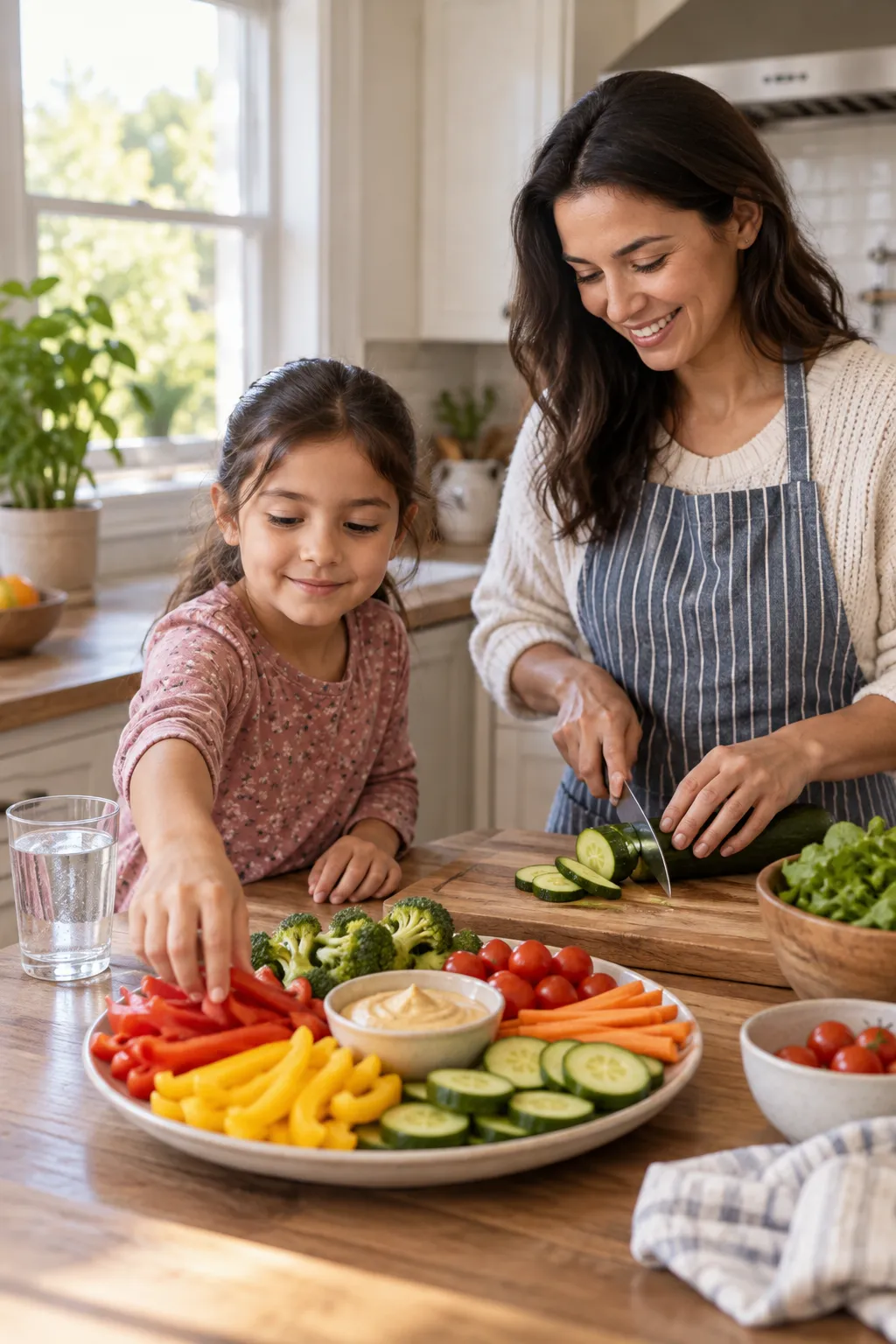
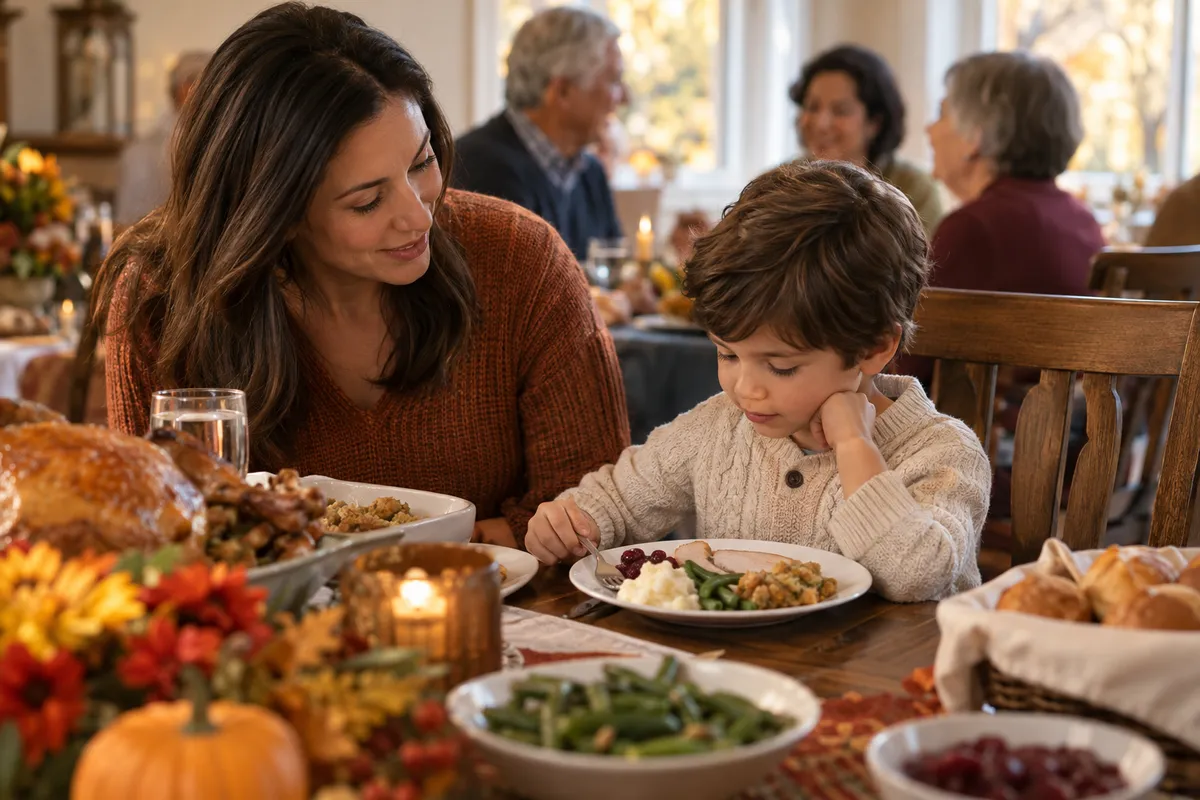
Picture the moment. The table is full, the turkey is carved, and your six-year-old is staring at her plate like it owes her money. Then a loving relative leans over and says, "Just one bite won't kill her."
You can feel the whole room waiting.
This week, WPRI's Community Focus segment sat down with Dr. Emily Oster, a Brown University professor and CEO of Parent Data, to answer the questions parents tend to carry into the holiday. Per WPRI, they covered picky eaters, food questions for pregnant or breastfeeding parents, and keeping kids and relatives healthy. Those are the worries that follow us to the table.
I can't tell you what Dr. Oster said beyond that, so I'll leave her words to the segment. What I can offer is a few simple scripts and habits for the moment above, so you walk away with something ready to say before the gravy gets passed.
Decide Before You Arrive What Your Job Is
Thanksgiving goes sideways when we try to do everything: a perfect meal, perfect manners, perfect children, and perfect peace with every relative. It helps to choose one job.
For many parents, the job is simple: put food in front of your child and let the day be kind. That's enough. Whether she eats the green beans is a small thing compared with whether she remembers the day as warm.
Say it to yourself in the car: My job today is love, not leftovers.
Give Your Child a Safe Plate
A holiday table can be overwhelming for a small person. New smells, unfamiliar dishes, and a crowd of grown-ups watching.
A few doable ideas:
- Fill a small plate with one or two things you know your child will eat, alongside whatever else is on the table.
- Let your child serve themselves a tiny spoonful of anything new, with no requirement to finish it.
- Feed them a normal snack beforehand so they aren't running on empty at the table. A hungry child is a fragile child.
None of this is giving in. It's giving them room, which is often what lets a child try something on their own.
Scripts for When Relatives Push
Most food pressure comes from love. Grandma wants to see her grandson enjoy her stuffing. The trick is answering the love without surrendering the plan. Keep your tone light and keep it short.
When someone says, "Make her try it." Try: "We're keeping it low-pressure today. She'll try things when she's ready."
When someone comments on how little he's eating. Try: "He's had plenty. Thank you for making all this, though. The rolls are a hit."
When someone offers dessert as a bribe. Try: "We'll skip the deal-making today. Pie is just pie."
When you need to change the subject. Try: "Tell the kids about the time you burned the turkey." Almost every family has that story, and people love to tell it.
Notice what these have in common. Each one starts with warmth and ends with a closed door, gently.
If You're Pregnant or Breastfeeding, Ask Before You Go
Holiday tables raise real questions about what is safe to eat while pregnant or nursing, and this was one of the topics covered in the WPRI segment. Because every situation differs, the most useful step is to ask your own doctor or midwife before the day, not at the buffet. Write down the two or three dishes you're unsure about and bring that list with you.
If you're the host, you can also help yourself out: a quiet word to whoever is cooking about what's in a dish saves you from awkward guessing later.
Keep the Family Well Without Making It a Production
Gatherings bring travel, shared serving spoons, and tired kids. You don't need a lecture or a policy for this. Small habits do the work:
- Wash hands before the meal, and make it a parade, with the kids lined up at the sink.
- Let anyone who feels sick sit this one out, and make the call kindly, with a plate sent home later.
- Protect nap and bedtime where you can. Tired kids melt down faster and feel worse.
The Meltdown Will Probably Come. Plan for It.
Someone may cry. Maybe it's the toddler. Maybe it's the uncle. Plan one quiet escape: a back bedroom, a walk around the block, a minute on the porch. Take your child there, breathe together, and come back when you're both ready.
There's a gentle kind of faith in that. You trust that the day doesn't have to be flawless to be good. Many of us believe grace shows up in ordinary, messy moments, and a crowded kitchen with a cranky child is one of the most ordinary places it can find you.
Where the Day Actually Lives
Back at that table, imagine the parent turning to the relative and saying, with a smile, "We're keeping it easy today." The relative, who only wanted everyone to feel welcome, nods. The six-year-old exhales. Ten minutes later she reaches over, unprompted, and takes a roll.
Nobody will remember the vegetables. They'll remember who made them feel safe.
And that's the quiet truth under every holiday meal: the food passes, but the feeling of being welcomed at the table is what a child carries home.